 Illustrative
Active drip
Storm leak response
Water is entering now after wind, hail or heavy rain. Focus is containment, temporary sealing and an attic-side inspection.
View the repair guideEmergency leak repair — demo template
Kervunexa Roofing is a fictional contractor template built for the moment a ceiling starts dripping. It walks homeowners through containment, photos and a damage checklist so the repair conversation starts with facts — not guesswork.

Illustrative image
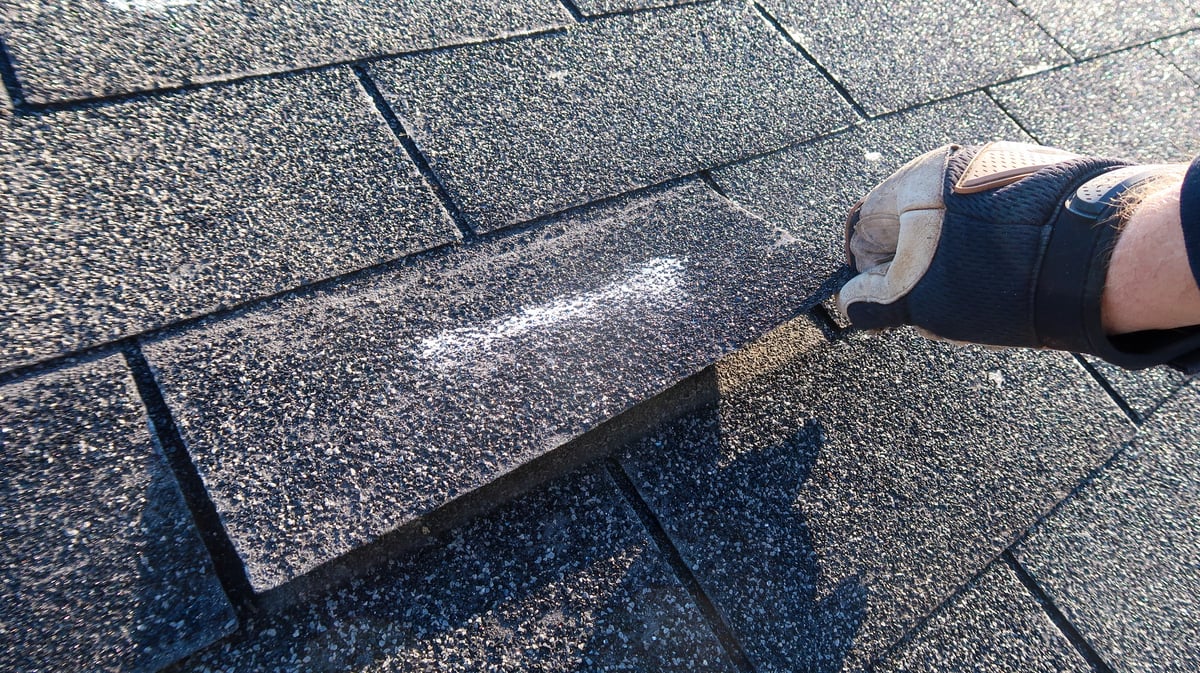
A template inspector documenting roof-edge wear before a repair plan.
01
Contain
Bucket, move valuables, turn off power to wet fixtures.
02
Document
Photos of the stain, ceiling and attic side of the leak.
03
Triage
Run the damage checklist to see which repair type fits.
Repair triage
Most leaks fall into one of three buckets. This template shows how a mobile-first site can help a homeowner pick the right one before anyone climbs a ladder.
IllustrativeActive drip
Water is entering now after wind, hail or heavy rain. Focus is containment, temporary sealing and an attic-side inspection.
View the repair guide Illustrative
Slow seep
A recurring stain appears near a chimney, vent or valley. Usually a flashing, nail-pop or lifted-shingle repair rather than a full roof.
View the repair guide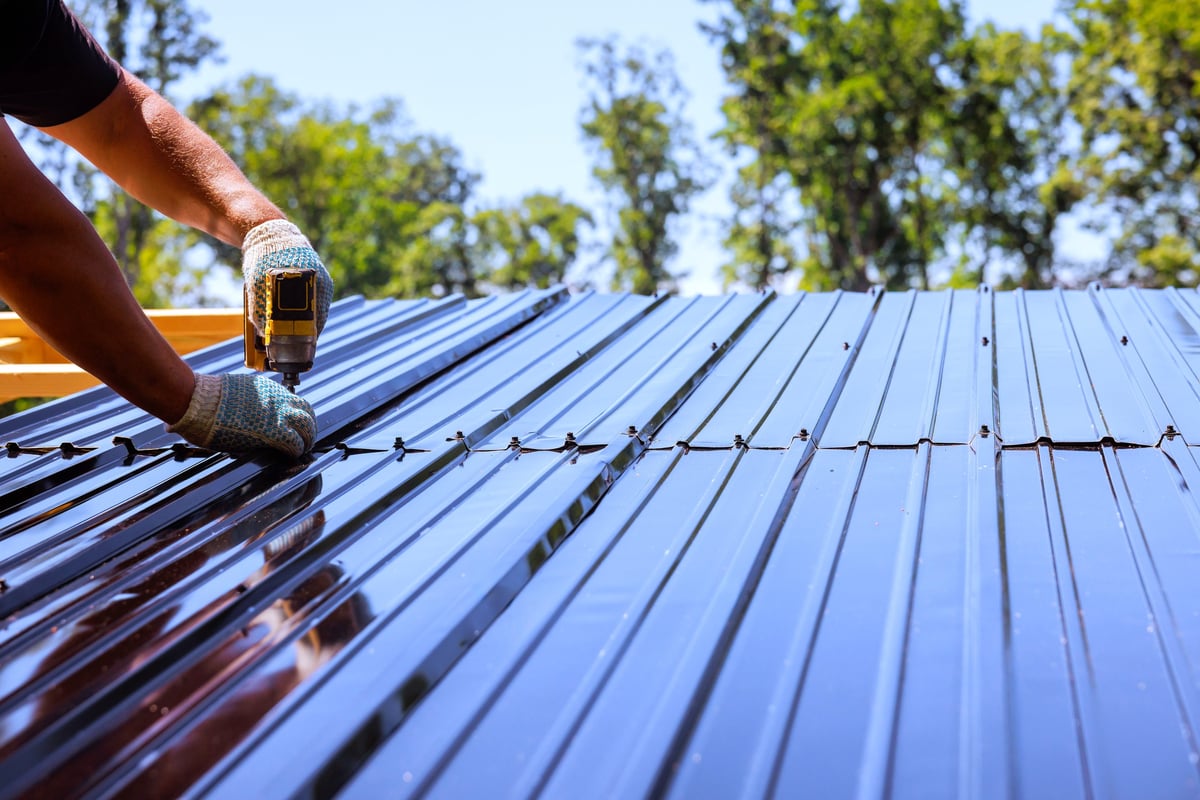 Illustrative
Aging roof
Granules in the gutter, curling shingles and repeated patches. The template frames this as a planned project, not an emergency.
View the repair guideNot sure which path fits? The checklist narrows it down in under a minute.
Open the checklistThe damage checklist
A read-only preview of the intake form — shown here for layout only. Nothing is submitted, saved or sent anywhere in this template.
Leak triage · example
Where is the water?
When did it start?
Example result
Likely a slow flashing or shingle-adhesion issue. Document the stain and book a roof inspection within the week.
Illustrative, read-only example. Not a real form.
Sample projects
Example cards showing how finished jobs could be presented — explicitly labeled as illustrative, not real client work.
 Illustrative
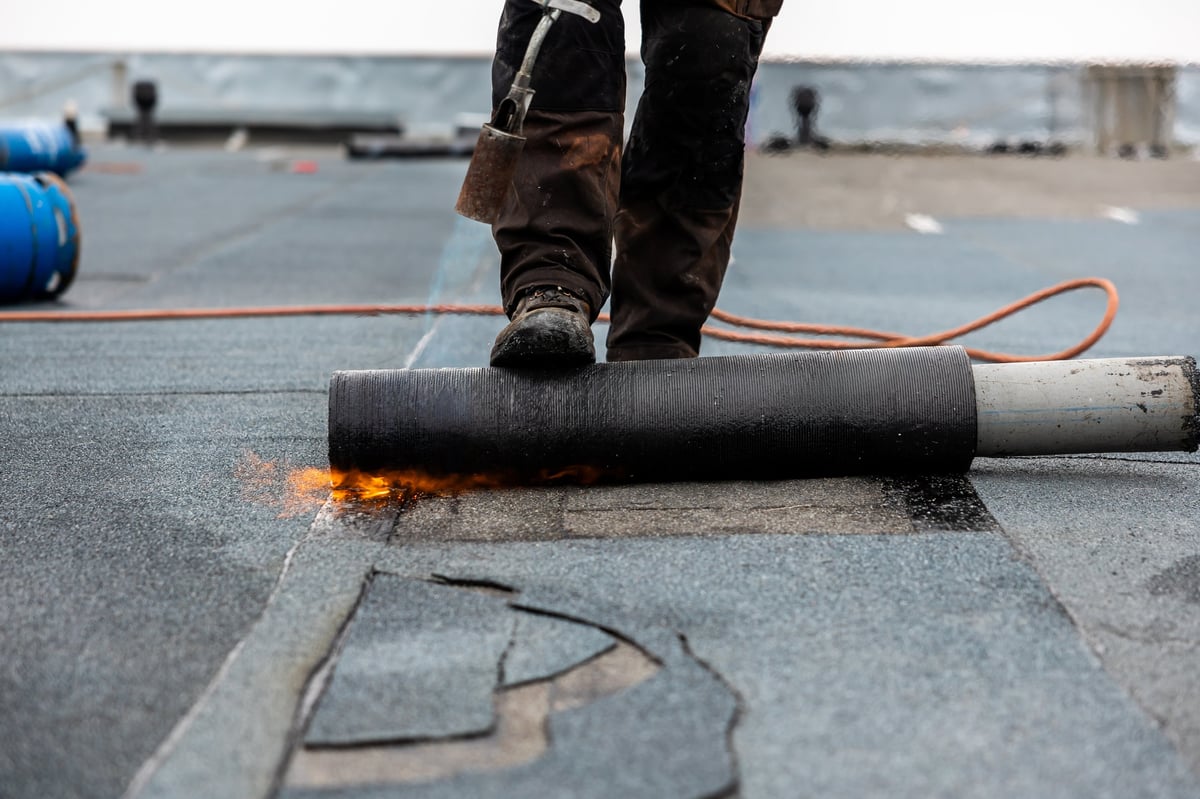
Flat roof · ponding
Seam repair, drainage check, perimeter seal
 Illustrative
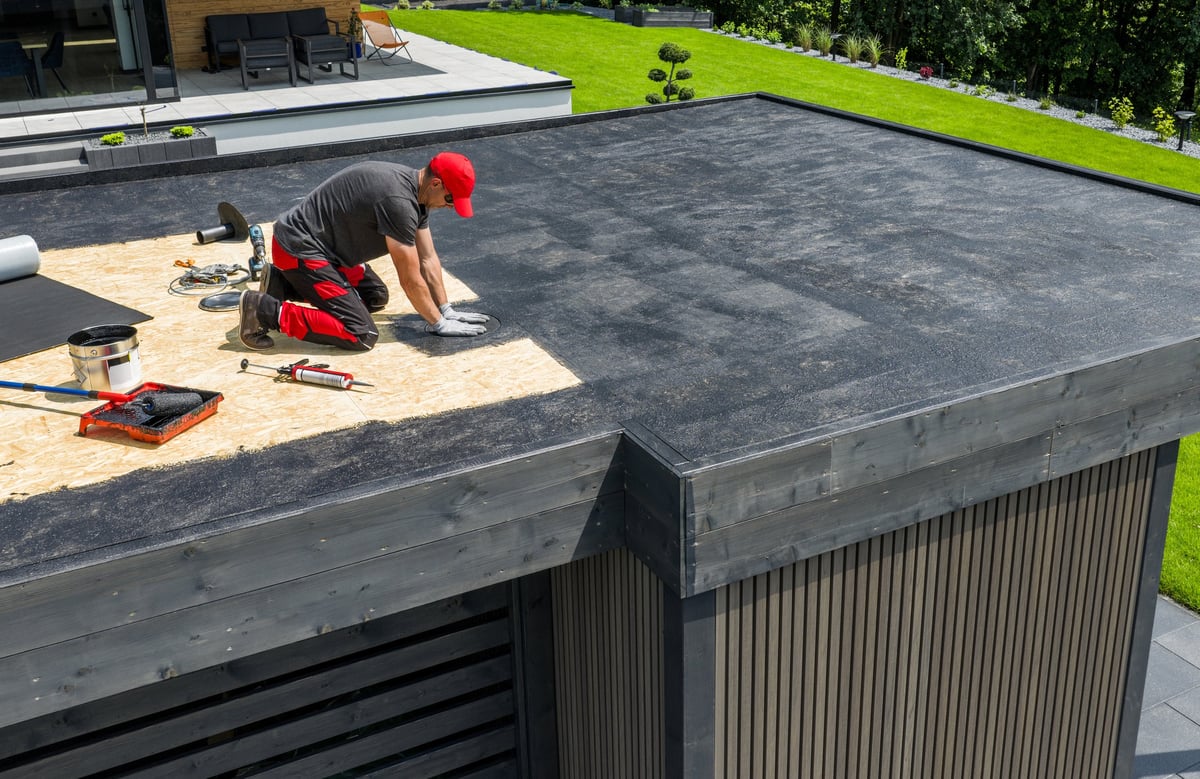
EPDM · membrane
Membrane patch, edge trim, flashing renewal
 Illustrative
Shingle · storm
Lifted shingle reset, nail-pop repair, ridge check
Common questions
Written for the template's triage flow. These are educational answers, not guarantees or service promises.
Full repair overviewMove furniture and valuables, place a bucket under the drip, and if water is near light fixtures or outlets, shut off power to that area at the breaker. Containment first; diagnosis second.
Often yes. A stain usually means water has already travelled through the roof deck. The template routes slow stains to a flashing and shingle inspection rather than an emergency call-out.
Look for local damage — a lifted shingle, a failed chimney flashing, a nail pop — versus widespread aging: granules in gutters and curling across the whole slope. Local issues point to repair.
Wet, steep or storm-damaged roofs are genuinely dangerous. This template is built around ground-level and attic-side documentation; any inspection above that belongs with a trained professional.
Three angles work well: the stain from a distance, the stain up close, and the underside of the roof deck in the attic if it is safely reachable. Note the time each stain appeared.
See how a structured, read-only estimate preview fits into the leak triage flow.